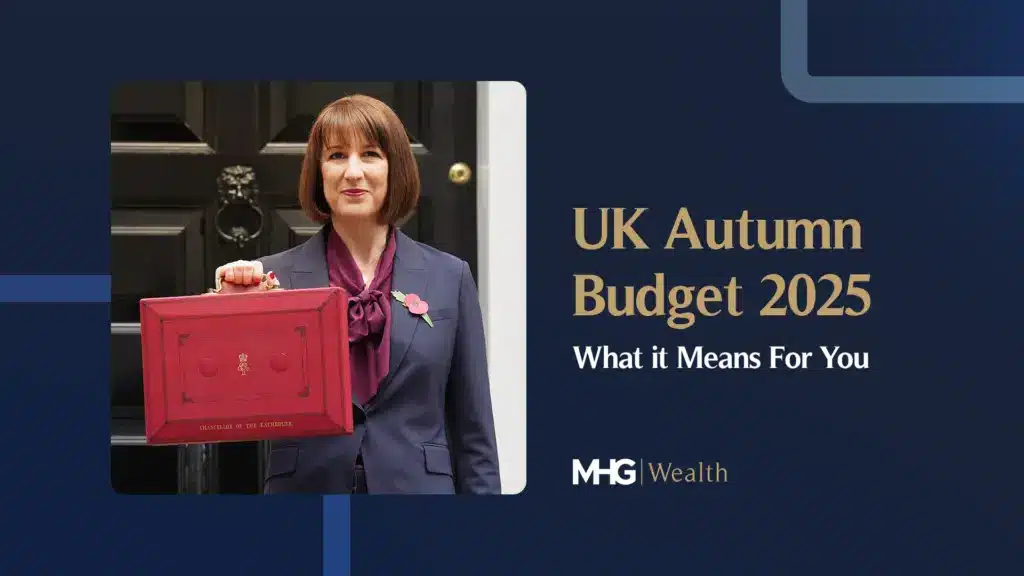
Chancellor Rachel Reeves’ much-anticipated 2025 UK Budget introduced wide-ranging tax and policy changes that will directly influence how high-net-worth individuals manage wealth, property and investment strategies over the coming years. Below, we break down the most relevant announcements and what each could mean for you.
A New ‘Mansion Tax’ on High-Value Properties
A new annual charge will apply to high-value residential properties in England:
- £2,500 per year for homes valued over £2 million
- £7,500 per year for homes valued over £5 million
The Chancellor stated that fewer than 1% of UK properties will fall under this new tax, but for owners of prime and super-prime property – especially in London – this introduces a recurring cost that may influence long-term planning.
What this could mean for you
For those holding large property portfolios or multiple residences, these charges may impact net yields and annual running costs. It may now be appropriate to reassess ownership structures, evaluate rental profitability, or consider the timing of disposals and acquisitions. Strategic planning will be key to maintaining tax efficiency.
Income Tax and National Insurance Threshold Freeze until 2031
Tax thresholds for Income Tax and Employer NICs will remain frozen until 2031, extending the freeze announced under the previous government. The Office for Budget Responsibility (OBR) estimates this will pull 780,000 additional individuals into paying Income Tax by 2029-30 due to fiscal drag.
What this could mean for you
For high earners, fiscal drag effectively increases the overall tax burden without changing headline rates. This amplifies the value of tax-efficient investment wrappers, diversified income sources and bespoke long-term planning. The freeze also has implications for business owners considering remuneration strategies for themselves and senior executives.
Pension Salary Sacrifice Restrictions
From 2029, a new cap will apply to pension salary sacrifice:
- A £2,000 limit on salary-sacrificed pension contributions
- Amounts above this are taxed as standard income
What this could mean for you
This change limits one of the most reliable tools for high earners seeking to optimise pension contributions. It may prompt exploration of alternative vehicles for retirement planning, including investment bonds, growth-focused portfolios and other tax-advantaged structures. Early planning will help mitigate the long-term impact.
Capital Gains Tax Increases
The Chancellor confirmed an increase in both Capital Gains Tax bands:
- Higher-rate CGT: from 24% to 28%
- Lower-rate CGT: from 10% to 12%
What this could mean for you
For investors, business owners and property holders, timing becomes critical. Disposals, rebalancing and crystallisation strategies may need acceleration or restructuring. Planning around gains and losses – especially across tax years – will play an increasingly important role in preserving capital.
Electric Vehicle Mileage Tax
A new usage-based EV excise duty will be introduced:
- 3p per mile for fully electric vehicles
- 1.5p per mile for plug-in hybrids
This is designed to help fund increased road maintenance and expand the UK’s charging infrastructure.
What this could mean for you
Although relatively modest for most households, this signals a shift in how environmentally aligned assets will be taxed going forward. HNWIs with large EV fleets or chauffeur-driven mileage may see incremental annual costs. It is also a reminder that incentives around green assets may continue to evolve.
Gambling Tax Increases
Significant increases were announced across the online gambling sector:
- Remote Gaming Duty: 21% > 40%
- Online betting duty: 15% > 25%
- Bingo Duty to be abolished from April 2026
These reforms are expected to raise over £1bn per year by 2031.
What this could mean for you
If you have exposure to gaming, digital entertainment or leisure-sector investments, these tax changes could influence profitability and valuations. Portfolio diversification and sector weightings may be worth reviewing with your adviser.
Wider Economic and Fiscal Context
The Chancellor outlined the following key indicators:
- Public borrowing halved
- National debt now £2.6tn
- 1 in every £10 spent goes to debt interest
- A return to a £3.9bn surplus forecast for 2028-29
- Inflation expected to fall by 0.4% next year
What this could mean for you
Persistent fiscal pressures increase the likelihood of ongoing taxation on capital, wealth and higher-value assets. Understanding how your portfolio is positioned for inflation, long-term taxation and potential future policy changes will be essential to maintaining resilience.
Other Measures to Note
- 5p fuel duty cut extended until September next year
- Eco Energy Scheme scrapped, cutting £150 from average household energy bills
- Nearly £400m recovered from fraudulent COVID-era contracts
- £820m funding for a new Youth Guarantee
- Infected blood compensation is exempt from inheritance tax
What this could mean for you
While these announcements may not directly affect wealth planning, they contribute to the overall economic environment and future policy direction. Long-term financial strategies must remain adaptable.
How MHG Wealth Can Help
The Autumn Budget 2025 reshapes the landscape for wealth, investment and tax planning. For HNWIs, careful planning is now more important than ever.
To understand how these changes apply to your wealth and long-term strategy, speak with an MHG Wealth adviser today.