Managing wealth across multiple countries brings plenty of opportunities, but it’s not without its complexities. For expat families and high-net-worth individuals (HNWIs) living in the UAE, cross-border estate planning is essential to protect assets, avoid legal disputes and ensure loved ones are cared for, no matter where those assets are located.
In this article, we’re going to discuss how:
- Estate planning for families with cross-border assets is crucial for asset protection, tax efficiency and ensuring loved ones are provided for, regardless of location.
- Different jurisdictions have varying inheritance laws; without proper coordination, assets may be frozen, heavily taxed or distributed in unintended ways.
- Financial advice ensures compliant and effective planning by aligning wills, guardianship and wealth structures across the UAE and other countries.
Why Estate Planning Matters for Families with Cross-Border Assets
When families own property, businesses or investments across jurisdictions, inheritance laws can differ massively. What’s valid in one country may not be recognised in another. Without a coordinated estate plan, global assets may be frozen, heavily taxed or distributed in ways that conflict with your wishes.
In the UAE, for example, inheritance for Muslims follows Sharia law by default, while non-Muslims can opt for alternative frameworks. Without clear documentation, local courts may apply local laws, which can significantly alter how assets are distributed. A comprehensive, cross-border estate plan prevents these issues while ensuring family and business continuity.
The Role of Wills in Cross-Border Estate Planning
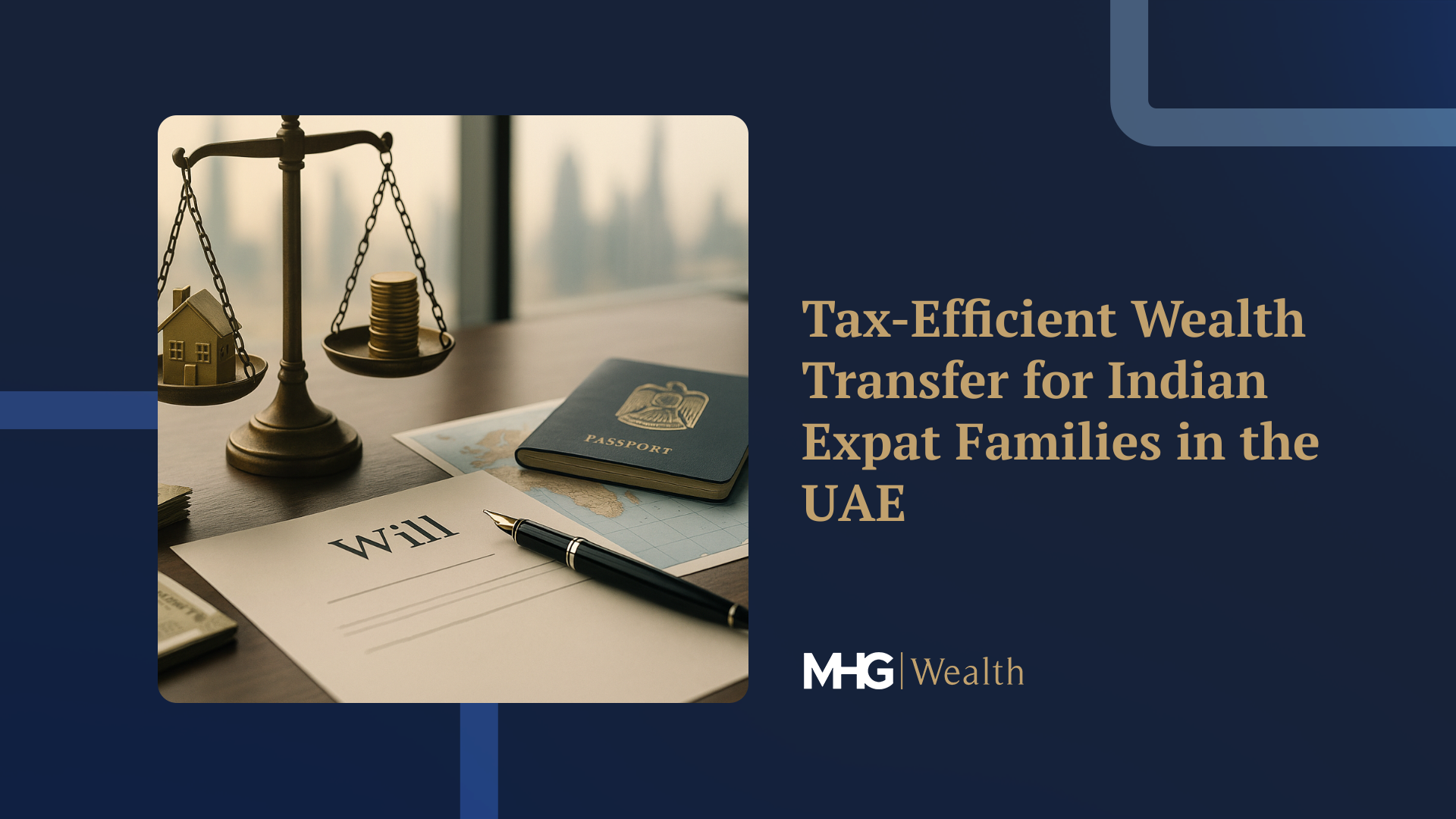
Having separate Wills for each jurisdiction helps maintain clarity and legal recognition. For UAE-based expats, this often means maintaining a local Will for UAE-based assets and an international Will for overseas property or investments.
Non-Muslim residents can register Wills through the Abu Dhabi Global Market (ADGM) or DIFC Wills Service Centre, both of which provide a secure framework aligned with common law principles. Muslim residents, meanwhile, can ensure their estate planning aligns with Islamic inheritance rules while still optimising family protection through proper structuring.
Guardianship Planning for Families Abroad
For expat families with children, guardianship planning is one of the most overlooked aspects of estate planning. In the event of an emergency, appointing both temporary guardians in the UAE and permanent guardians in your home country makes sure that there’s no ambiguity about who will legally care for your children.
Beyond naming guardians, trusts can be established to provide ongoing financial support for children’s education and living expenses, ensuring their wellbeing regardless of location or circumstances.
Enduring Powers of Attorney (EPA) Across Borders
An Enduring Power of Attorney (EPA) authorises trusted individuals to make financial or healthcare decisions on your behalf if you become incapacitated. However, not all EPAs are recognised internationally.
Families with cross-border assets should confirm that their EPAs comply with each jurisdiction’s legal requirements. It’s also advisable to establish separate documents where necessary. For example, a UAE-compliant EPA alongside one for your home country. Including financial and healthcare directives ensures your wishes are respected everywhere you reside or hold assets.
Wealth Structuring for Global Assets
Cross-border wealth often requires sophisticated structuring solutions such as trusts, foundations, life insurance policies and holding companies. These structures can:
- Minimise exposure to inheritance taxes and probate delays
- Protect assets from legal claims or political risk
- Facilitate smooth intergenerational wealth transfer
For families with global business interests or real estate portfolios, a coordinated approach between UAE advisors and international legal experts is essential to ensure compliance and efficiency.
Charitable Giving and Legacy Planning
Philanthropy can be a meaningful part of an estate plan, especially for global families wishing to create a long-term legacy. Charitable trusts or foundations allow you to structure donations efficiently while supporting causes that reflect your personal or family values.
In addition to the emotional impact, charitable giving can provide tax efficiency benefits and reduce estate tax liabilities in some jurisdictions, making it both a noble and strategic decision.
How MHG Wealth Can Help
At MHG Wealth, we specialise in helping expat families and high-net-worth individuals develop estate plans that work seamlessly across borders. Our approach covers everything from Wills and guardianship planning to trust formation and international asset structuring.
We collaborate with leading legal and tax professionals across multiple jurisdictions to ensure your plan is compliant, efficient and aligned with your long-term goals.
For more information, read our complete guide to estate planning.
Plan Your Estate With Confidence
Your wealth represents more than financial success. It’s your legacy. With the right cross-border estate plan, you can ensure your assets are protected, your family is secure and your legacy endures for generations.
Key takeaways:
- Separate wills, cross-border powers of attorney and guardianship arrangements are essential for seamless asset and family transitions.
- Sophisticated wealth structuring, like trusts and foundations, protects global assets, minimises taxes and allows smooth intergenerational transfers.
- Expert guidance helps families coordinate charitable giving, legacy planning and compliance for a secure, enduring cross-border estate plan.
Contact MHG Wealth today to secure your family’s future with an expert estate planning strategy tailored to your cross-border needs.
FAQs
1. Why is cross-border estate planning more complex than local estate planning?
Because every country has unique inheritance, tax, and probate laws. Without coordination, your assets may face conflicting legal treatment or double taxation.
2. Can you have one Will that covers all your global assets?
In most cases, it’s better to have multiple Wills tailored to each jurisdiction to avoid legal conflicts or delays during probate.
3. What’s the difference between ADGM and DIFC Wills in the UAE?
Both frameworks cater to non-Muslim expats. ADGM Wills are recognised across all Emirates, while DIFC Wills are based in Dubai and Ras Al Khaimah. For families with international holdings, wealth planning for Sharjah business owners with global assets and cross-border wealth management from Dubai play a crucial role in coordinating estate planning and protecting wealth across multiple jurisdictions.
4. Do you need to update my Will if you buy property abroad?
Yes. Any new assets acquired in another jurisdiction should be reflected in your estate plan to ensure proper legal coverage.
5. How can trusts help in cross-border estate planning?
Trusts provide flexibility and protection, allowing assets to be managed and distributed according to your wishes, while avoiding lengthy and costly probate processes.